
This year’s State of Workforce Mental Health Report reveals a workforce navigating a paradox. Support is more available than ever, yet many employees around the world continue to struggle.
As pressures mount, expanding access alone is no longer enough. The focus is shifting toward whether care helps people truly recover, sustain energy, and stay engaged over time.
To better understand how workforce mental health is evolving, we surveyed more than 500 benefits leaders and 7,500 employees across six countries. The infographic below shares a selection of key findings—a snapshot of where workforce mental health strategies are driving impact, falling short, or ready for change.

Employees are feeling the strain first
1 in 3 employees say they're merely surviving
1 in 4 say their mental health declined in the past year
1 in 2 report trouble staying focused or engaged at work
Organizations are seeing the consequences later
01
Traditional benefits are being tested as needs grow more complex



Where benefits break down for complex, specialty needs
02
Caregiving realities are rewriting the rules




When children struggle, caregivers feel it at work
60% experienced increased stress or burnout due to their child’s mental health needs
Over a third report reduced productivity or focus at work
Care may exist, but it isn’t meeting families’ needs
Fewer employees say they can access timely child mental health care YoY
Fewer believe their benefits meet the full range of child and teen needs
95% of benefits leaders believe child and teen care is easy to find through their benefits
03
Neurodivergence demands a new model of support



Neurodivergent support is needed, but leaders aren’t sure where to start
04
AI is creating new pressures and new possibilities

How AI adds pressure
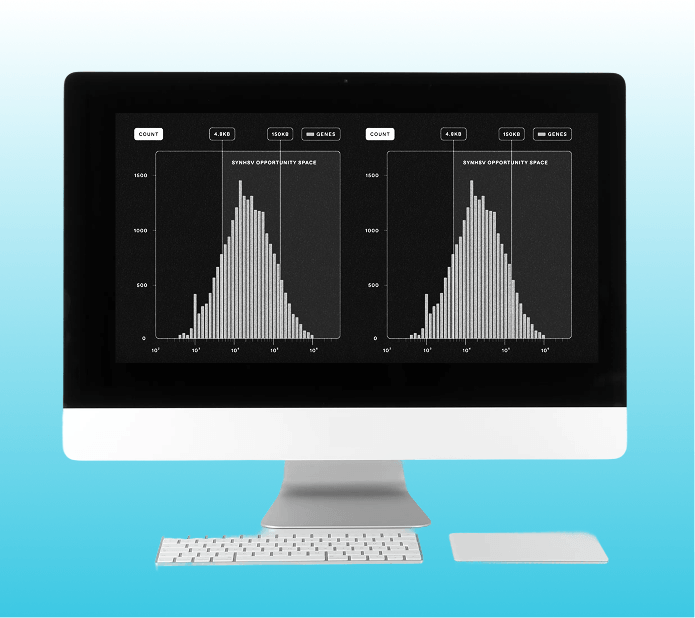
How AI helps
feel more productive
say it improves work-life balance
05
Managers support others, but lack support themselves



Managers are equipped, but not always supported
Benefits leaders believe strong support is already in place
Managers tell a different story
Get the full story
These findings are just the beginning. Discover deeper insights and practical solutions in the full 2026 State of Workforce Mental Health Report.
